The Passage Program
Human bodies are not equipped to handle these stressors and do not have the capacity to eliminate them. The toxins are stored in the large intestine, the waste disposal system of the body. The large intestine, or colon, is actually a muscle. As the lining of this muscle is made to carry more and more weight in the form of toxins, it has an increasingly difficult time performing its function of expelling waste from the body. It begins to lack tone and eventually it falls down, usually bulging out of the abdomen as a pot belly. The stagnant fecal debris becomes more toxic still and this toxic waste begins to migrate throughout the body, carried by the blood, which in turn becomes toxic.
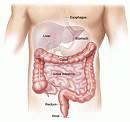 When the blood becomes overburdened by these toxins, it is the liver that takes them on. As the liver becomes overworked with the job of cleaning continuously toxic blood, the burden then falls to the kidneys and from there to the bladder. The bladder gets a double whammy. As with the prostate, ovaries and uterus, it is located in close proximity to the colon and more quickly takes on the toxic fecal waste being absorbed throughout the body from a dysfunctional large intestine. At this point the toxicity will show up on the skin and in general body inflammation. The body is now totally toxic.
In order to recover whatever health still remains, the body must be detoxified. We start with a two part process; first by cleansing the colon, gently and in ways that allow the intestinal muscles to regain their memory and function and secondly by consciously monitoring what we allow into our bodies in terms of healthy biocompatible food, water and external stressors. »
| home | contents | links | contact us | 21 of 35 | < previous | next > |